Brick Walls vs. Stone Walls: Choosing the Right Material
People seeking to build brick walls or stone walls often want durable, attractive structures, and local contractors can help them choose and expertly construct the right material.
If you're considering building or replacing a wall on your property, understanding the differences between brick walls and stone walls can make a significant impact on your project. Property owners in the area often explore this topic to determine which material best suits their aesthetic preferences, durability needs, and overall property value. Whether aiming for a classic, timeless look or a more natural, rugged appearance, knowing the advantages of each option helps ensure the right choice is made. Local contractors specializing in brick and stone wall construction can provide valuable insights and craftsmanship to help achieve the desired outcome.
As you weigh the options between brick walls vs. stone walls: choosing the right material involves practical considerations like maintenance, longevity, and style. Many property owners seek guidance to match their specific needs with the strengths of each material, whether for boundary walls, garden enclosures, or decorative features. Connecting with experienced service providers in the area can ensure the project aligns with your vision while benefiting from professional expertise in brick and stone wall construction. Keep reading to learn more about the key factors that influence this important decision.
- Brick wall construction - ideal for projects requiring classic aesthetic and durability, with local contractors choosing mortar and brick types suited to the environment.
- Stone wall construction - suitable for creating strong, natural-looking boundaries, with service providers selecting appropriate stone materials based on style and load requirements.
- Brick wall construction - often chosen for aesthetic appeal and ease of installation, with local pros focusing on proper mortar application and pattern consistency.
- Stone wall construction - perfect for retaining walls or features needing high strength, with contractors emphasizing proper stacking techniques and foundation stability.
- Brick wall construction - used for decorative or structural purposes, with local professionals tailoring mortar mixes and brick types to match project needs.
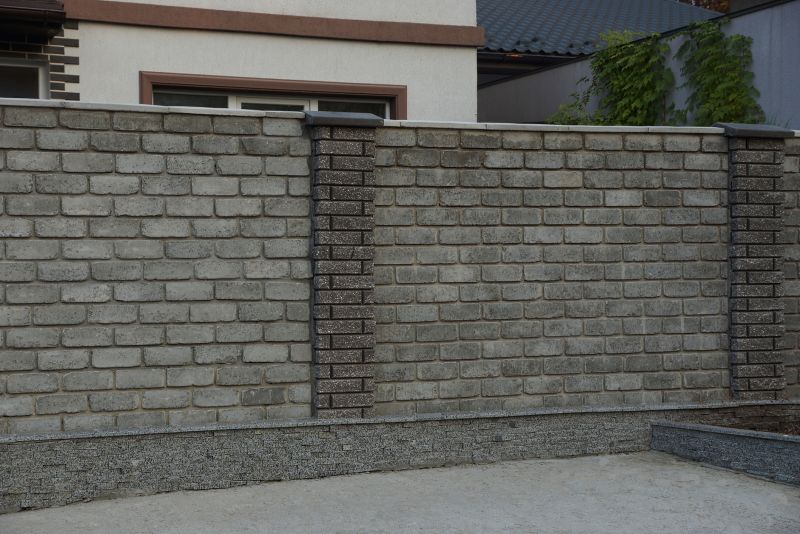
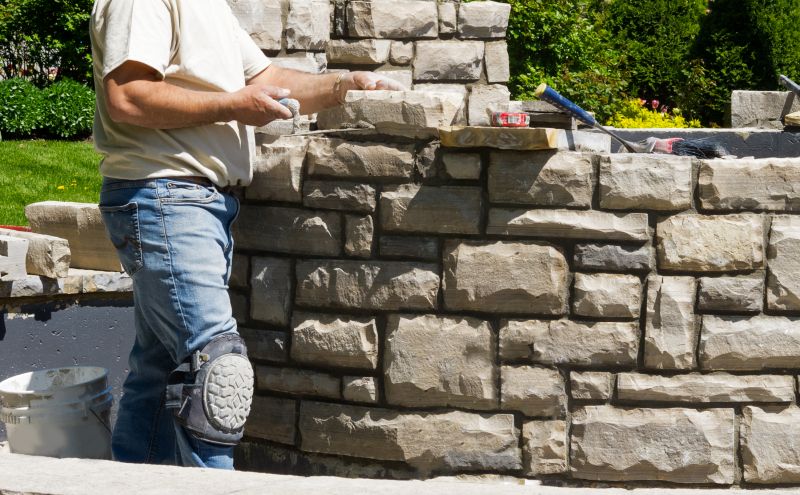
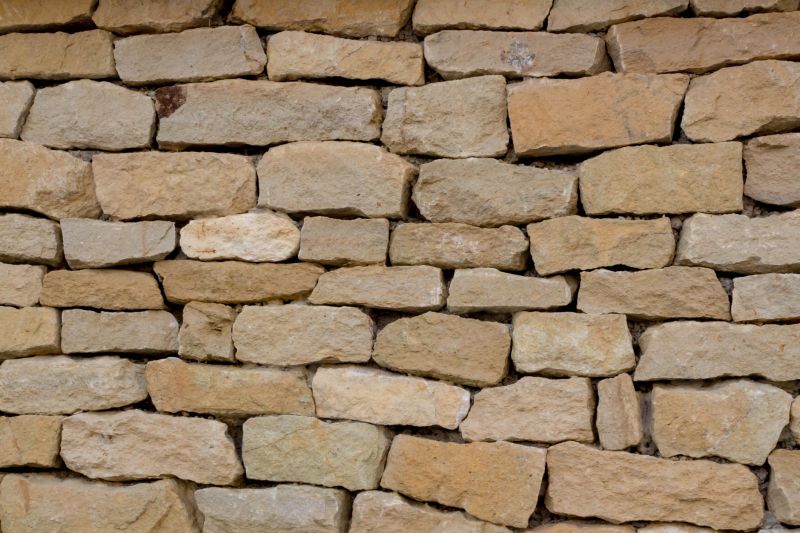
When homeowners begin exploring options for constructing or replacing walls on their property, they often search for information comparing brick walls and stone walls, especially focusing on choosing the right material. This topic typically arises during planning for boundary fencing, garden enclosures, retaining walls, or decorative features. Many property owners want to understand the differences in appearance, durability, and maintenance requirements between these materials to make informed decisions. The choice often depends on the overall style of the property, the intended function of the wall, and long-term expectations for upkeep. When researching, homeowners are looking for practical insights that help them visualize how each option will fit into their landscape or property boundaries.
The decision between brick walls and stone walls is closely tied to the specific problems or plans associated with property development. For example, those building a new outdoor space might consider aesthetic appeal and ease of installation, while others focused on durability and strength might lean toward stone walls for retaining purposes. This choice can also relate to property protection, privacy, and even historical or stylistic preferences. Homeowners often seek guidance on which material will better withstand local weather conditions or require less ongoing maintenance. Local service providers specializing in brick wall or stone wall construction can help evaluate these factors, providing advice tailored to the property's unique needs and the homeowner’s vision.
Different types of properties tend to feature these wall materials based on their style, age, and function. Residential homes with traditional or historic designs might favor brick walls for their classic look and ease of matching existing structures. Conversely, properties with a rustic or natural aesthetic often incorporate stone walls, especially in rural or countryside settings. Commercial properties, parks, and public spaces may use stone walls for their robustness and timeless appeal. The size of the property and the specific purpose of the wall-whether decorative, boundary, or retaining-also influence the choice. Local contractors experienced in brick and stone wall construction can assist property owners in selecting the best material for their particular project.
Understanding the differences between brick walls and stone walls helps homeowners align their project goals with practical considerations. Brick walls typically offer a more uniform appearance and can be quicker to install, making them suitable for decorative or boundary purposes. Stone walls, on the other hand, tend to be more durable and resistant to harsh weather, making them ideal for retaining walls or structures that require longevity. The choice also impacts ongoing maintenance, with brick walls generally needing less care, while stone walls might require occasional repairs to address shifting or weathering. Connecting with experienced local service providers can ensure that the material selected matches the property’s needs and that the construction process aligns with the desired outcome.
Retaining wall construction - professionals skilled in building retaining walls often work with brick or stone materials, requiring planning and precise masonry techniques similar to those used in wall construction projects.
Fireplace installation - installing brick or stone fireplaces involves masonry skills and material selection that align with the techniques used in creating durable interior or exterior walls.
Garden wall projects - designing and building garden or boundary walls with brick or stone involves planning, material handling, and craftsmanship comparable to larger wall construction services.
Facade restoration services - restoring or repairing brick or stone facades demands expertise in matching materials and understanding structural considerations similar to new wall construction.
Paving and outdoor surface work - laying brick or stone pavers for patios and pathways shares foundational skills with wall building, including material placement and jointing techniques.
Architectural masonry projects - creating decorative or structural masonry features involves similar planning, material handling, and craftsmanship as wall construction services.
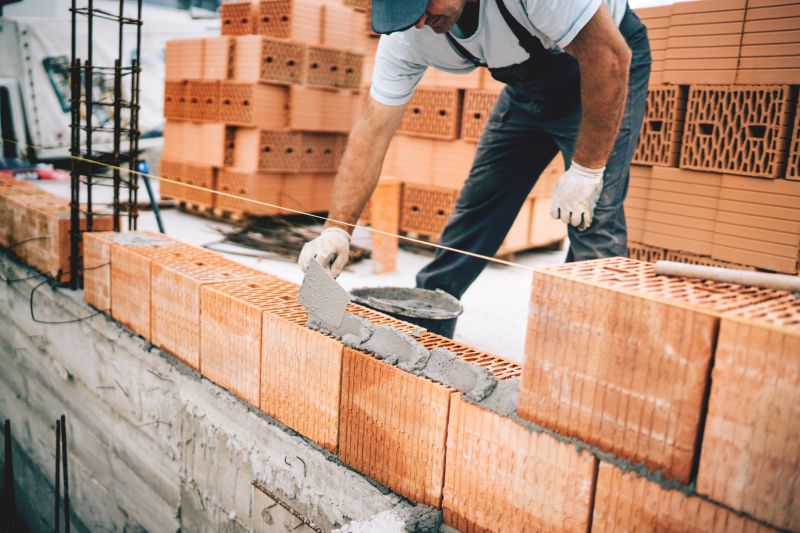
When comparing local contractors for brick wall versus stone wall construction, it is important to consider their experience with similar projects. Homeowners should inquire about the types of masonry work the service providers have completed in the past, paying attention to projects involving the specific materials they are interested in. Contractors with a demonstrated history of successfully building both brick and stone walls can offer insights into the unique challenges and benefits of each material, helping homeowners make an informed decision that aligns with their aesthetic and structural needs.
Clear, written expectations are essential when evaluating potential service providers. Homeowners should seek detailed descriptions of the scope of work, including the materials to be used, estimated project steps, and the level of craftsmanship. Having these details documented ensures that both parties are aligned on the project’s requirements and helps prevent misunderstandings. This transparency is especially valuable when choosing between brick and stone walls, as each material may require different techniques and considerations that should be clearly outlined from the outset.
Reputable references and effective communication are key factors in selecting the right contractor for brick or stone wall projects. Homeowners should ask for references from previous clients who had similar work completed, providing an opportunity to verify the quality of craftsmanship and professionalism. Additionally, service providers who demonstrate open, prompt, and clear communication can better address questions or concerns throughout the project. This ongoing dialogue helps ensure that the chosen contractor understands the homeowner’s vision and can adapt to any specific preferences or requirements related to brick walls vs. stone walls, ultimately contributing to a successful outcome.
Property owners often search for brick walls vs. stone walls: choosing the right material when they are planning practical projects around their homes and businesses. Local pros provide Brick Wall or Stone Wall Construction services for everyday jobs and straightforward project options.
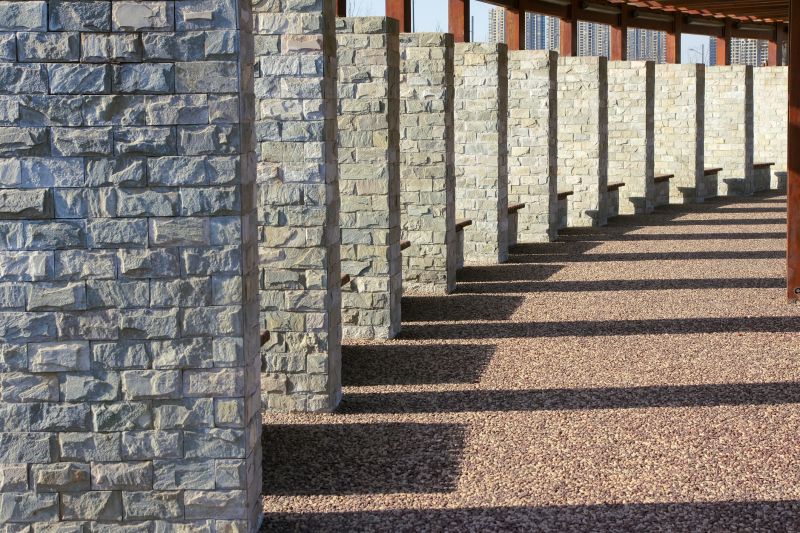
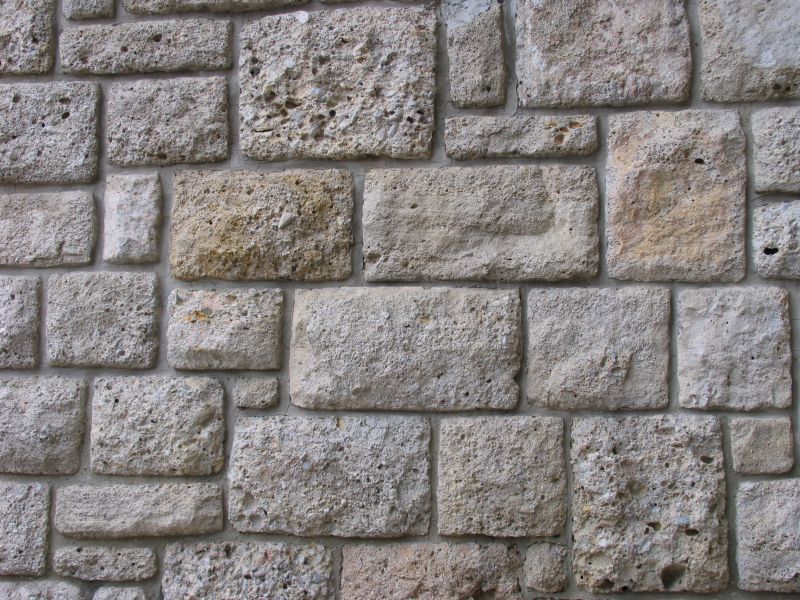
When considering a new wall for a property, many property owners in the area look into the differences between brick walls and stone walls to determine which material best suits their needs. Brick walls are often chosen for their classic appearance, ease of installation, and relatively lower maintenance requirements. Homeowners might seek out local contractors who specialize in brick wall construction to achieve a durable, visually appealing boundary or accent wall that fits their style and functional goals.
On the other hand, stone walls are valued for their natural look, strength, and longevity. Property owners considering stone walls often want a more rustic or timeless aesthetic, or they may need a structure that can withstand harsher weather conditions. Local service providers who focus on stone wall construction can help evaluate which type of material aligns with the property’s design preferences and structural needs, ensuring the finished wall complements the overall property while providing lasting durability.
What are the main differences between brick walls and stone walls? Brick walls are typically made of fired clay and offer a uniform appearance, while stone walls are constructed from natural stones, providing a more rustic and varied look. Local contractors can help determine which material suits the style and function of a specific project.
How do brick walls compare to stone walls in terms of durability? Both brick and stone walls are durable, but stone walls often withstand the elements better over time due to their natural strength. Service providers can advise on which material performs best in different environmental conditions.
Which material requires more maintenance: brick or stone? Generally, brick walls require less maintenance than stone walls, which may need periodic repointing or sealing. Local construction professionals can recommend maintenance practices based on the chosen material.
Are there different aesthetic options between brick and stone walls? Yes, brick walls offer a classic, uniform appearance, while stone walls provide a more natural, textured look. Local pros can help select the right material to match the desired style and landscape.
What factors should be considered when choosing between brick and stone walls? Important factors include the desired aesthetic, durability needs, maintenance requirements, and the local climate. Consulting with experienced contractors can help make the best choice for specific project requirements.
Durability considerations - Property owners can explore how brick walls and stone walls differ in longevity and weather resistance when planning outdoor features or boundary walls with local contractors.
Style and aesthetic options - Choosing between brick and stone can influence the overall look of a property, making it important to consult local pros for design ideas that match personal preferences.
Maintenance needs - Understanding the upkeep requirements of brick versus stone walls helps property owners select the right material for long-term ease of care in their projects.
Cost and material availability - Property owners can evaluate the affordability and local availability of brick and stone materials to make informed decisions for fencing or accent walls with the help of local service providers.
If you are thinking about brick walls vs. stone walls: choosing the right material for a property, this guide is meant to help you understand this topic, the typical project types, and how different options might fit your plans.
When you are ready, you can use the quote form on this page to share a few details about your project. From there, local pros can review the basics and follow up with options that match what you have in mind.