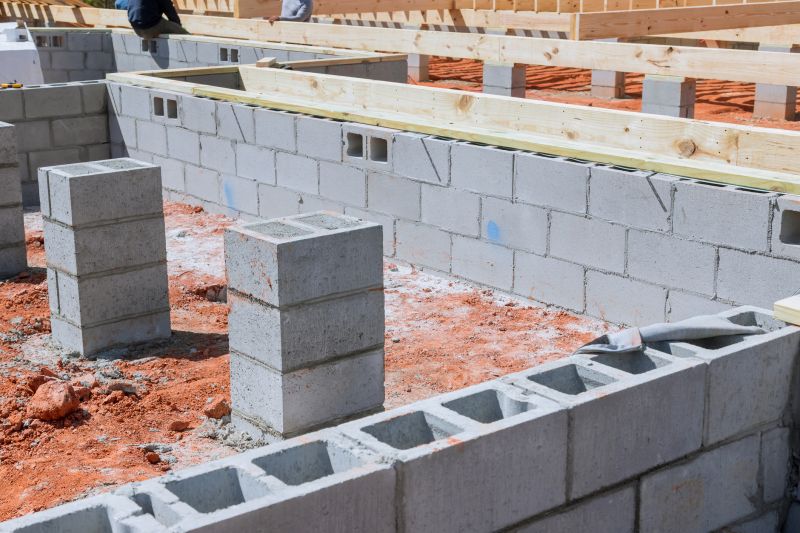
Concrete Blocks Installation in Norwalk, CT
Concrete blocks installation services involve placing durable, precast concrete units to create various structures around a property. Common projects include building retaining walls, garden borders, privacy fences, and foundational elements for outdoor features. Property owners typically want to understand the different types of concrete blocks available, such as solid, hollow, or decorative varieties, and how each suits specific applications. Additionally, considerations like proper foundation preparation, drainage, and alignment are important to ensure the stability and longevity of the installation.
Before requesting concrete blocks installation, homeowners should consider the scope of their project, including size, design preferences, and functional requirements. It’s helpful to clarify whether the project involves structural support or decorative elements, as this influences the choice of blocks and installation methods. Understanding the necessary groundwork, permits, and potential maintenance can also contribute to a smoother process and a finished result that meets expectations.
Many property owners in Norwalk, CT look into Concrete Blocks Installation for repairs, replacements, upgrades, and appearance-related improvements.
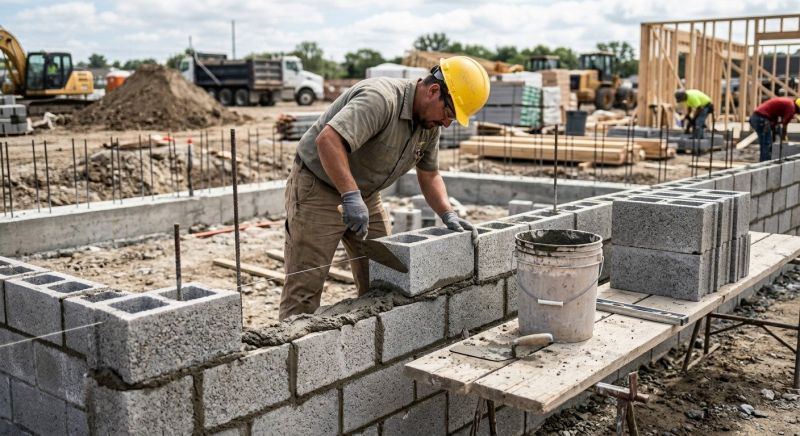
Property Boundaries And Security
Concrete blocks are often used to create durable boundary walls and secure perimeter fencing around homes and commercial properties.
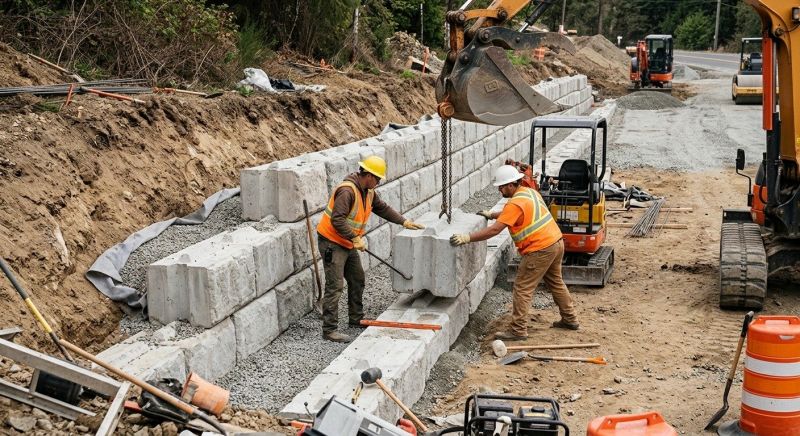
Landscaping And Outdoor Features
Installing concrete blocks can enhance landscaping projects by building raised beds, retaining walls, and decorative features in norwalk yards.
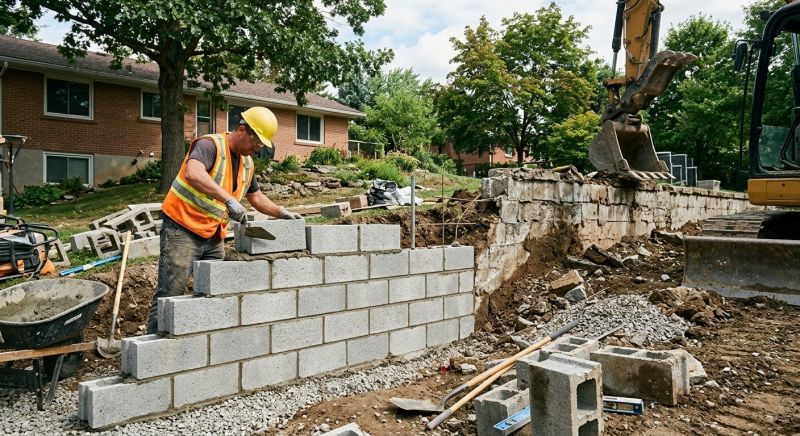
Foundation Support And Reinforcement
Concrete blocks provide strong foundation support for structures, helping to stabilize and reinforce building bases in residential and commercial properties.
Concrete Blocks Installation in Norwalk, CT
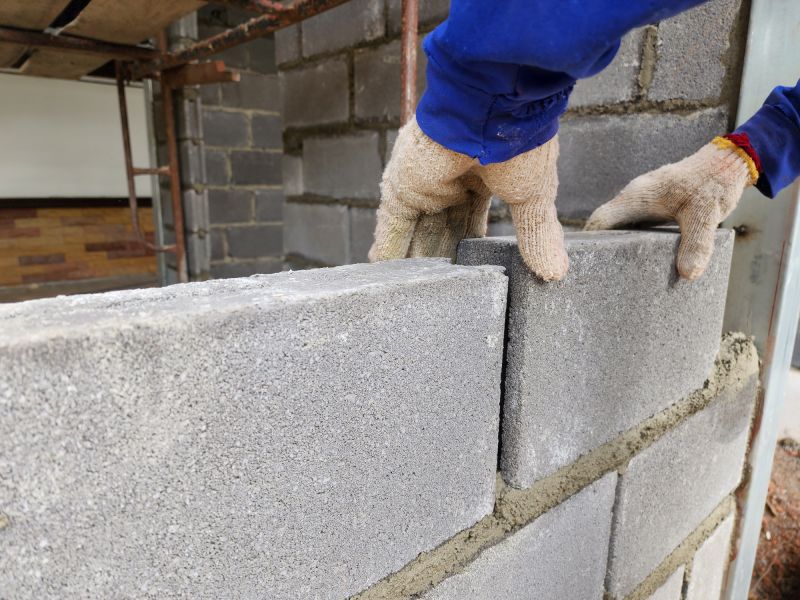
Concrete blocks installation services involve placing durable, precast concrete units to create various structures around a property. Common projects include building retaining walls, garden borders, privacy fences, and foundational elements for outdoor features. Property owners typically want to understand the different types of concrete blocks available, such as solid, hollow, or decorative varieties, and how each suits specific applications. Additionally, considerations like proper foundation preparation, drainage, and alignment are important to ensure the stability and longevity of the installation.
Before requesting concrete blocks installation, homeowners should consider the scope of their project, including size, design preferences, and functional requirements. It’s helpful to clarify whether the project involves structural support or decorative elements, as this influences the choice of blocks and installation methods. Understanding the necessary groundwork, permits, and potential maintenance can also contribute to a smoother process and a finished result that meets expectations.
Many property owners in Norwalk, CT look into Concrete Blocks Installation for repairs, replacements, upgrades, and appearance-related improvements.
Common Concrete Blocks Installation Jobs
Retaining walls - concrete blocks are used to build sturdy retaining walls that prevent soil erosion.
Garden borders - create durable and attractive borders for landscaping and flower beds.
Patio foundations - provide a solid base for installing outdoor patios and seating areas.
Boundary walls - define property lines with long-lasting concrete block walls.
Steps and walkways - install functional and slip-resistant concrete block steps and pathways.
Garage and basement walls - reinforce structural walls with concrete blocks for added stability.
Concrete Blocks Installation Questions
What are concrete blocks used for in property projects? Concrete blocks are commonly used for building walls, retaining structures, garden borders, and outdoor features on residential and commercial properties.
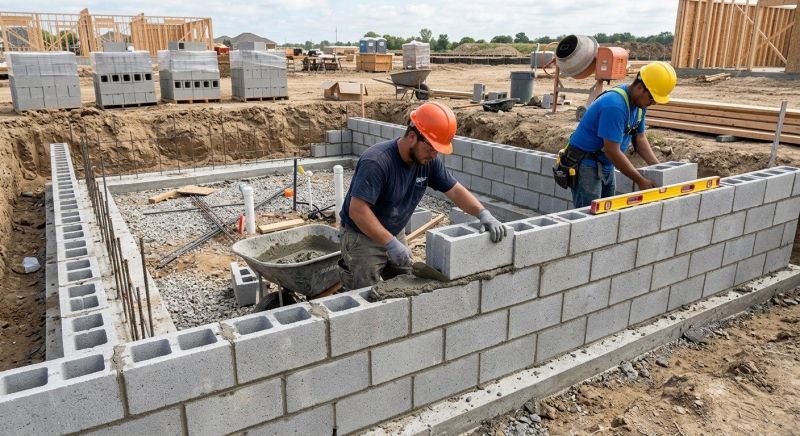
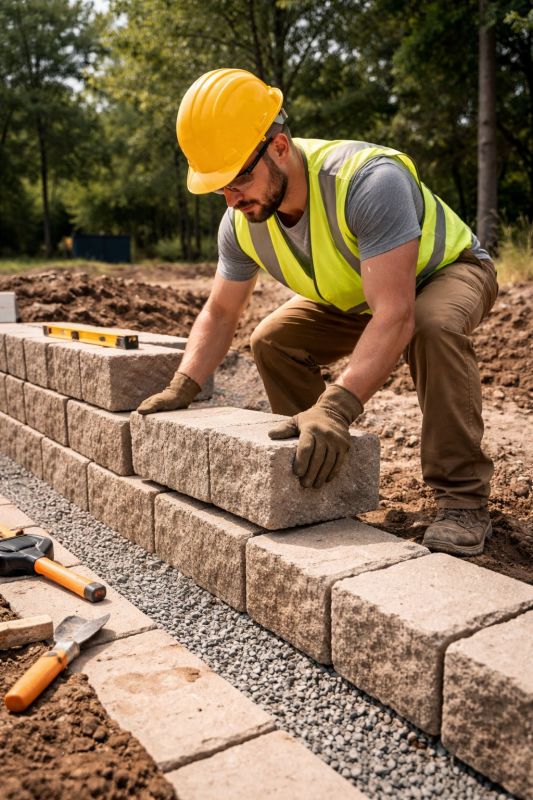
How are concrete blocks installed in landscaping or construction? Installation involves preparing a stable foundation, stacking or aligning blocks properly, and securing them with mortar or adhesive as needed for stability.
What types of concrete blocks are available for different projects? There are various types, including solid, hollow, decorative, and insulated blocks, suitable for walls, barriers, or aesthetic features.
What should property owners consider before installing concrete blocks? It’s important to assess the project scope, choose the appropriate block type, and ensure proper foundation and alignment for durability.
Request Concrete Blocks Installation in Norwalk, CT
Use the quote form on this page to share the basics of your project and request more information for the type of work you need.